Dixit Jain, AI Engineer & Automation Consultant. Most AI stops at the demo. I build the part that lasts.

LLM agents, retrieval systems, voice AI, and the automation that wires them into how a business already works. 25+ shipped to production, serving users in 10+ countries.

25+

Systems in production

85%+

RAG retrieval accuracy

12+

Teams worked with

40%+

Manual work removed

50+

Workflows automated

10+

Countries with live users

Built for teams shipping real products

Plus finance and government engagements under NDA

About

Systems that survivereal users.

Not a portfolio of demos. A record of AI systems designed, shipped, and still running in production.

01

Demos are easy. Production is the job.

Most AI projects die between the notebook and the deploy. I build the part that survives: evaluation, fallbacks, observability, and robust systems that behave when real users show up.

02

Business problem first, model second.

Every system I ship starts from an operational pain: leads rotting in an inbox, support queues on fire, knowledge trapped in PDFs. I work backwards to the smallest architecture that removes it.

03

Full stack, end to end.

Agent orchestration in LangGraph, retrieval on hybrid search, FastAPI backends, and React frontends. One person owns the whole system, so nothing gets lost in the handoff.

How I build

Understand, architect, build, evaluate, ship, improve. The same loop for every system, whether it is a job or something shipped alone.

Read the process

What I build

Four layers of thesame problem.

Most engagements start in one of these and end up touching two. The model is rarely the hard part.

01

AI engineering

Agentic systems: agents that decide and act, retrieval that answers from your documents, and voice that holds a conversation. Plus the reliability work that decides whether any of it survives contact with real users.

  • LLM applications and AI agents
  • Multi-agent orchestration
  • RAG and hybrid retrieval
  • +4 more
Read the detail
02

Automation engineering

The work between the systems. Most operational pain is not a missing feature, it is a person moving data from one tool to another and occasionally forgetting.

  • n8n workflow automation
  • CRM and ERP automation
  • Lead capture, routing, and follow-up
  • +4 more
Read the detail
03

AI growth and revenue systems

Automation pointed at the top line. Qualification, personalisation, and segmentation are AI problems with a revenue number attached, which makes them the easiest ones to justify.

  • AI lead qualification and scoring
  • Sales agents and follow-up sequences
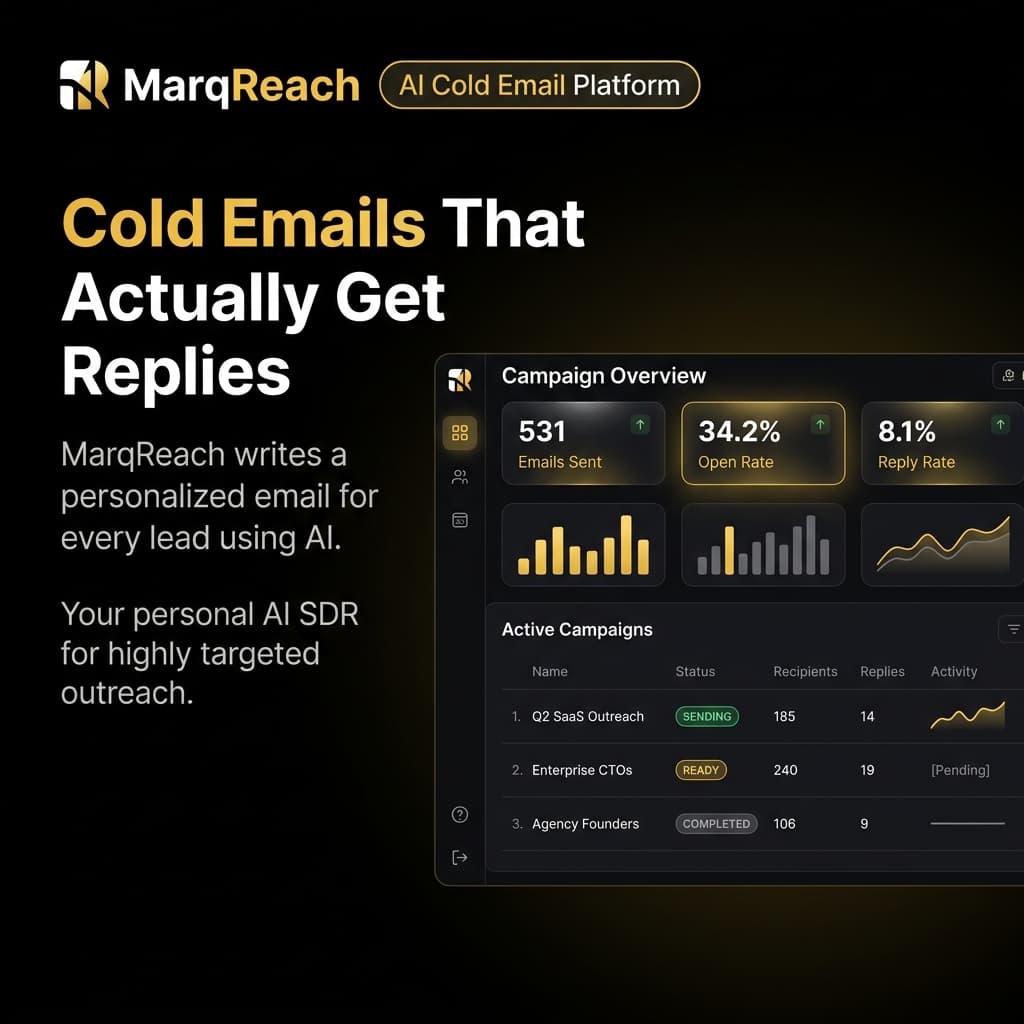
  • Personalised campaigns at volume
  • +4 more
Read the detail
04

Custom business systems

The system of record, made to match the business rather than the other way round. Usually ERPNext, usually because the standard workflow does not describe how this company actually operates.

  • ERPNext and Frappe customisation
  • Manufacturing and solar workflows
  • Sales and project workflows
  • +3 more
Read the detail

I own the architecture and the build. When an engagement needs more implementation capacity than one person has, I bring in a small engineering and automation team I have worked with before, and stay accountable for what ships.

Systems I build

The work is the wholeflow, not one step.

A model that answers well is a feature. A lead that arrives at midnight and reaches the right person with context before it goes cold is a system.

A lead arrives and nothing waits for a human

Qualification, CRM write, personalised reply, and follow-up all happen before anyone opens the inbox. The rep gets a notification with context instead of a row to triage.

Discuss your workflow

Inbound lead workflow. Main flow: Lead arrives, then AI qualifies, then CRM updated, then Personalised reply, then Rep notified. Connected paths: Enrichment feeding AI qualifies; Follow-up sequence as a conditional path from Personalised reply.

Primary pathConditional

Selected work

Systems built,shipped, and running.

Three worth reading in full. The rest of the archive is one click away, each with its own write-up.

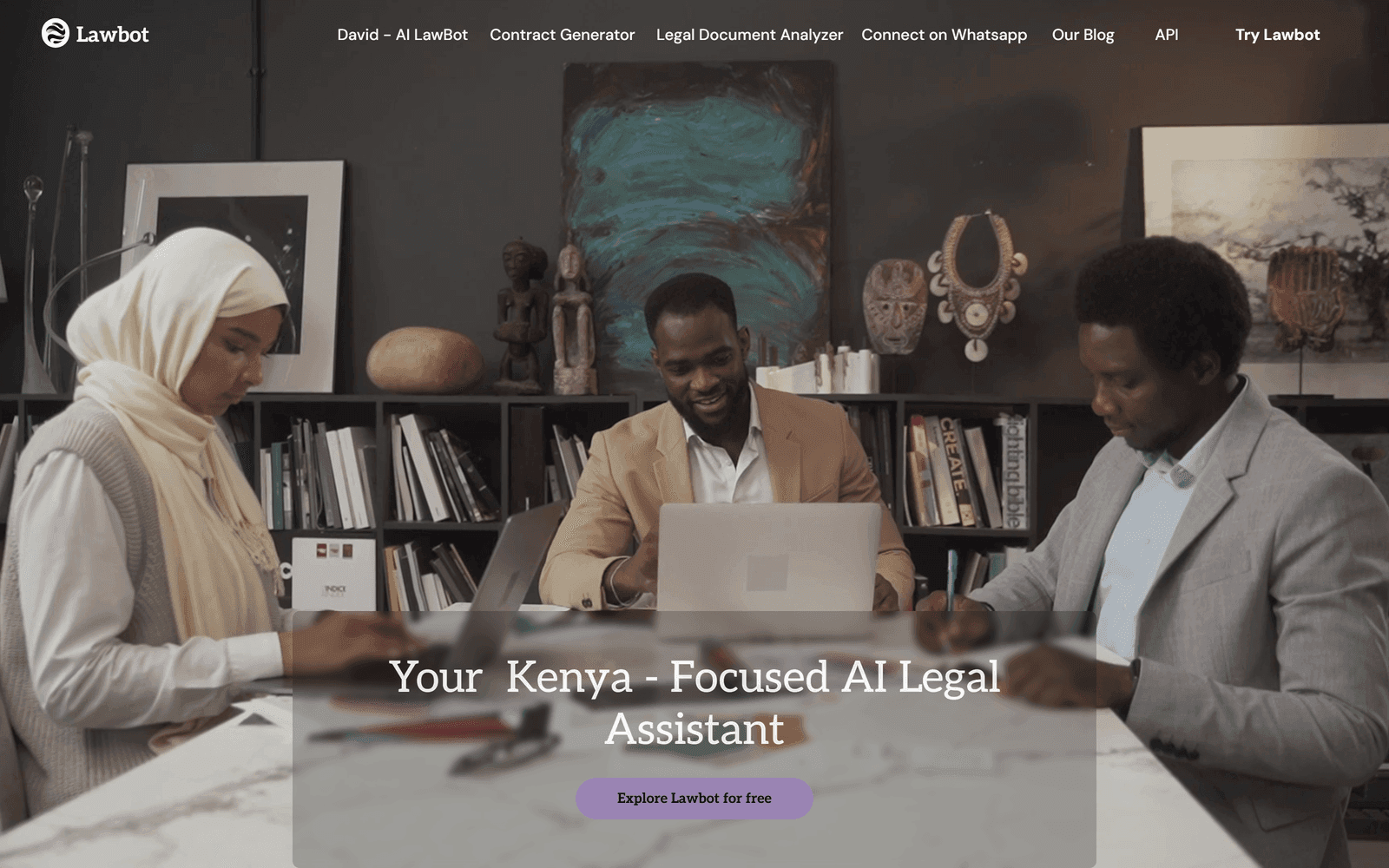
LawBot Africa interface screenshot
AI Legal Assistant & Contract PlatformLive

LawBot Africa

AI legal platform for African jurisdictions: an assistant that answers in plain language, a contract generator, and a document analyser, in one workspace.

Ask, draft, and review in one workspace

Legal AIDocument IntelligenceMultilingualWhatsApp API
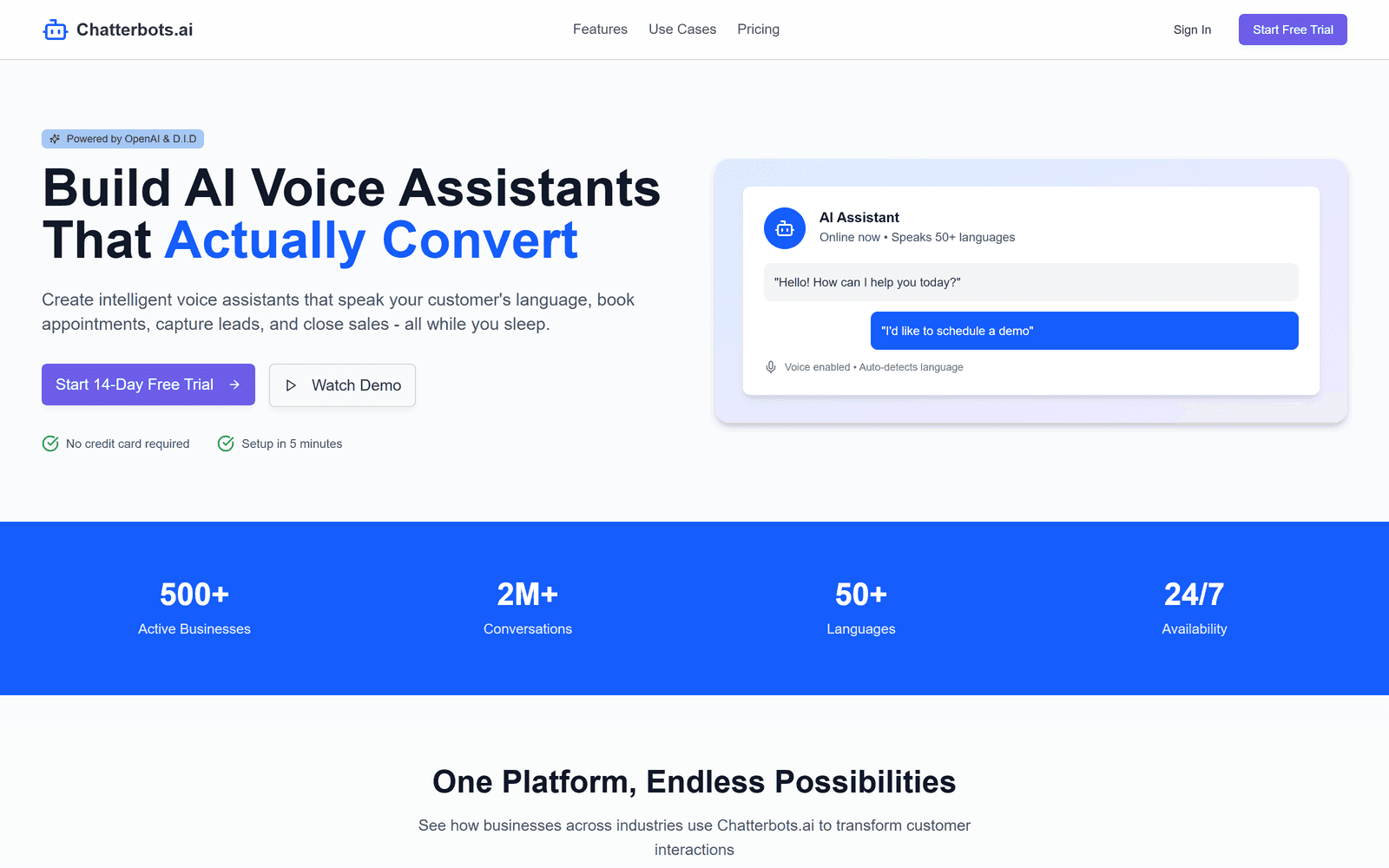
Chatterbots.ai interface screenshot
Voice AI Platform for Sales & SupportLive

Chatterbots.ai

Platform for building AI voice assistants that hold a real conversation, answer from your own content, qualify the caller, and book the meeting.

Voice assistants that qualify, book, and hand off

Voice AIOpenAID-IDStripeMulti-tenant
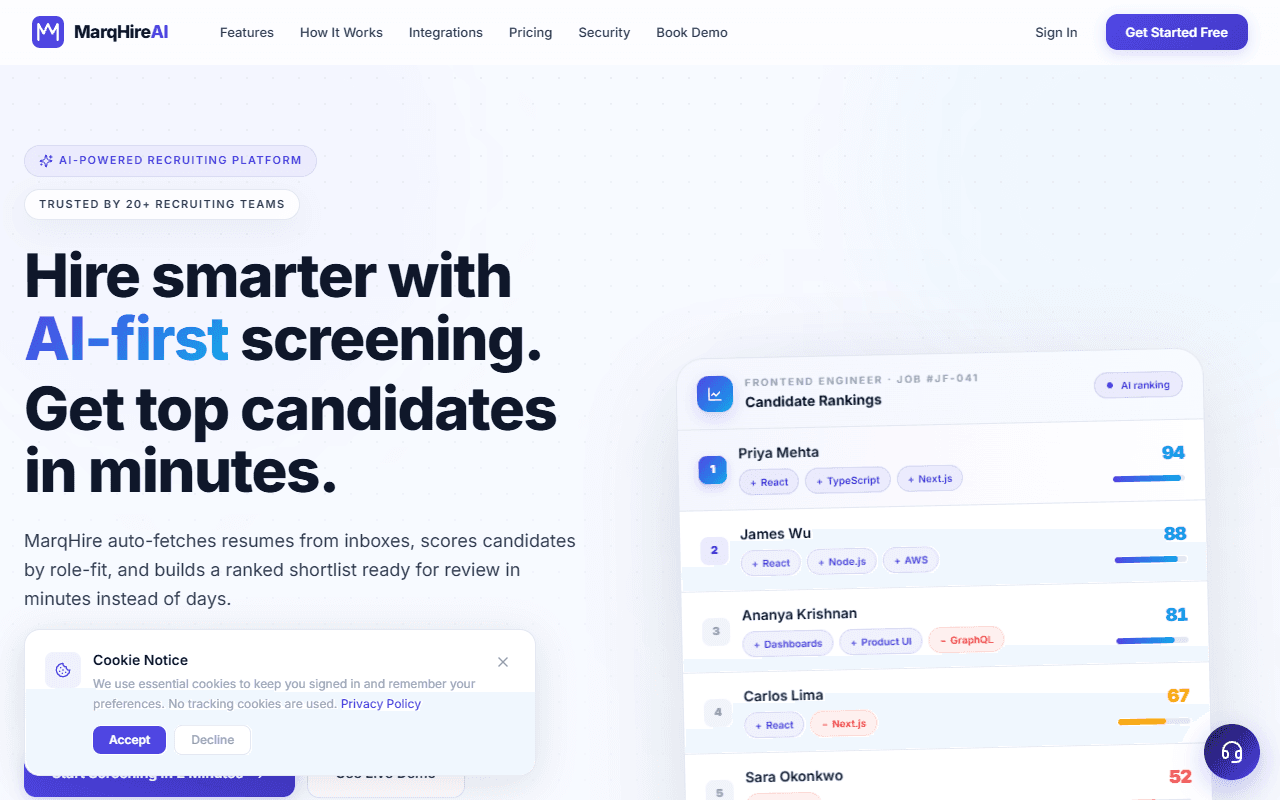
MarqHire AI interface screenshot
AI Hiring & Voice Screening PlatformProduction

MarqHire AI

Hiring platform that parses resumes, scores them against a job description, and runs first-round screening interviews by voice.

Screening automated end to end

Voice AIATSReactNLP

AI, data, automation, growth

The systems are pointed at a number, not a demo

Alongside the engineering, the work has run on the commercial side: campaign personalisation, segmentation, lifecycle and retention analysis, and the customer intelligence underneath all three. It is the reason the architecture conversations start from an operational problem rather than a model choice.

Acquisition

Qualification and routing that get a fit lead to a person while the intent is still warm.

Conversion

Personalisation built on enrichment rather than merge fields, and assistants that book rather than answer.

Engagement

Segmentation, targeted messaging, and behavioural signals used to decide what to send and when to stay quiet.

Retention

Lifecycle and churn analysis, so the intervention happens before the customer has already left.

Support

Deflection on the repetitive contacts, capacity kept for the ones that need judgement.

Sales efficiency

Less time in the CRM, more context per conversation, and follow-up that does not depend on memory.

In their words

The people whohired the work.

Each quote links to the system it is about, so the claim and the work sit next to each other.

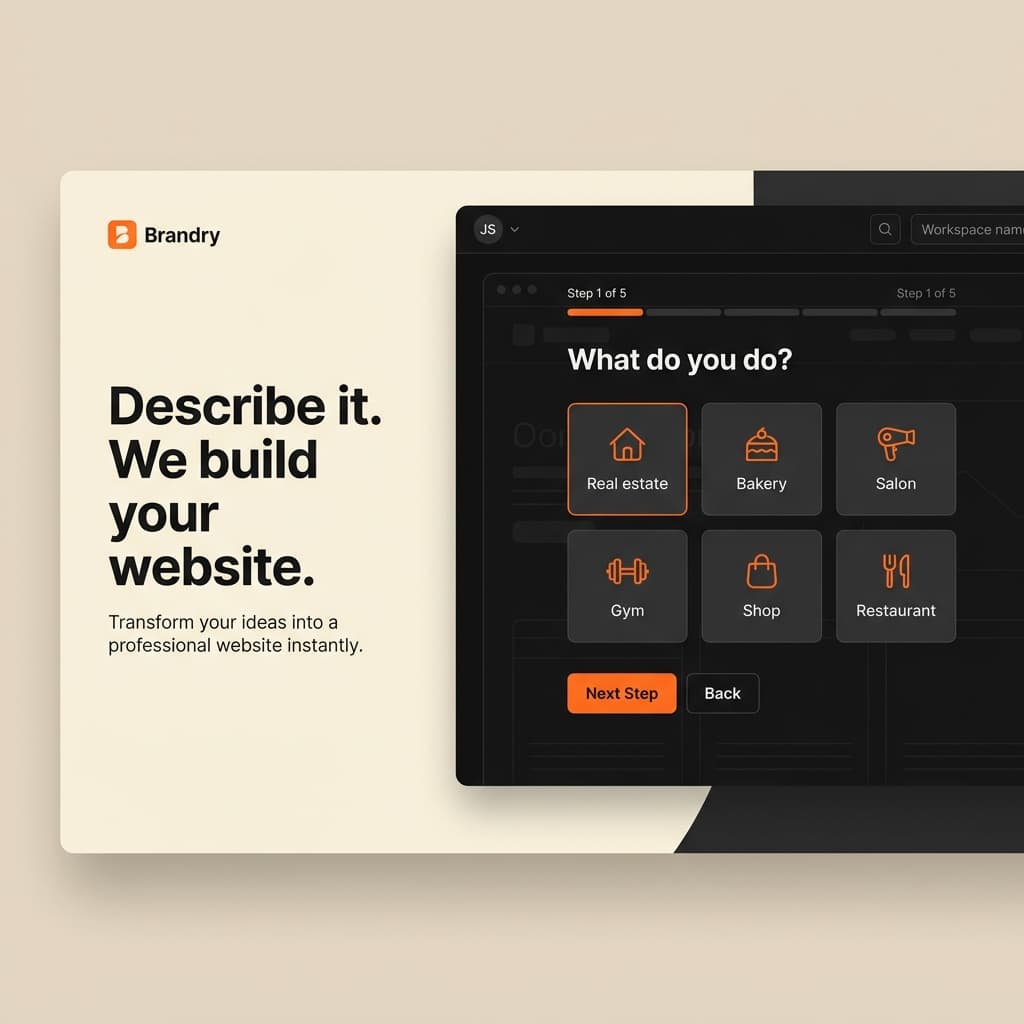
MarqHire and Brandry both went from an idea to something we could put in front of customers, with Dixit owning the build end to end. He read the product side as closely as the technical side, moved quickly, and turned requirements that were still vague into working software. Both products are materially better for it.

Tushar Jain

CEO, TechMarqX

We needed our leads handled properly, not another dashboard. The AI lead management system Dixit built took over the follow-up, surfaced the opportunities actually worth chasing, and turned into qualified leads and real growth for a small team. He understood the constraints we were working under and built for them.

Jonathan

Audtri

Discipline is the word I would use. Through his time at UB Webs he ran projects to their timelines, picked up unfamiliar technology without needing to be walked through it, and carried responsibility independently while steadily getting better at the work. The kind of engineer a team can rely on.

Sandeep Aggarwal

Managing Director, UB Webs

Under the hood

The tools, and the loopthey run in.

Every tool I ship with, connected the way the work connects, and the reasoning loop underneath every agentic system I build.

The map · drag a node to explore

drag nodes · hover to explore

The loop · every system runs this

User

Query, voice, or event

Agent

LangGraph orchestrator

Reasoning Core

LLM · tools · memory

Vector DB

Hybrid semantic retrieval

Response

Grounded and cited

Where this pays off

What can I helpyou automate?

If one of these is a sentence someone at your company has said this quarter, it is a system that already has a shape.

  • Leads come in and nobody follows up.

    Automated qualification, routing, and a first reply that goes out in minutes.

  • The sales team spends its day updating the CRM.

    Records written by the pipeline, so the CRM is a by-product of the work rather than a second job.

  • The same customer questions reach a human every day.

    An assistant grounded in your own content, escalating only what it should.

  • Finding anything means searching through documents.

    Retrieval over your files that answers with a citation instead of a folder.

  • Campaigns are impossible to personalise at volume.

    Enrichment first, then per-record generation, so personalisation has facts behind it.

  • Customer data is spread across four systems.

    Integration and deduplication into one record each system can read.

  • Core processes still run on spreadsheets.

    The process moved into the system of record, with the steps people invented outside it preserved.

  • ERP work is manual and nobody trusts the reports.

    ERPNext customised to the actual workflow, with automation between it and everything around it.

  • People copy data between systems all day.

    Event-driven sync, with a review queue for the cases a machine should not decide.

  • Content takes too long, so it stops.

    A research, generation, and publishing pipeline that survives a busy week.

  • Support calls are eating the team's capacity.

    Voice agents on the repetitive calls, with a warm handoff that carries context.

  • There is an AI budget and no idea where to point it.

    A short engagement that finds where automation pays for itself, before anything is built.

Contact

Have a workflowworth automating?

Or a role to fill, a product to build, or a process nobody wants to own. Everything above is the introduction; say which of those brought you here and the reply will be about that.

Takes on full-time engineering roles and select contract or project engagements, remotely, in any time zone. Most of that work runs with teams in Europe, the UK, North America, and Australia. Where a company is hiring from abroad, project work runs as a consulting engagement rather than employment, with no local work authorisation required on either side.

Or send a message

What is this about?optional
< 800 chars

Delivered straight to the inbox · usually replies within 24 hours